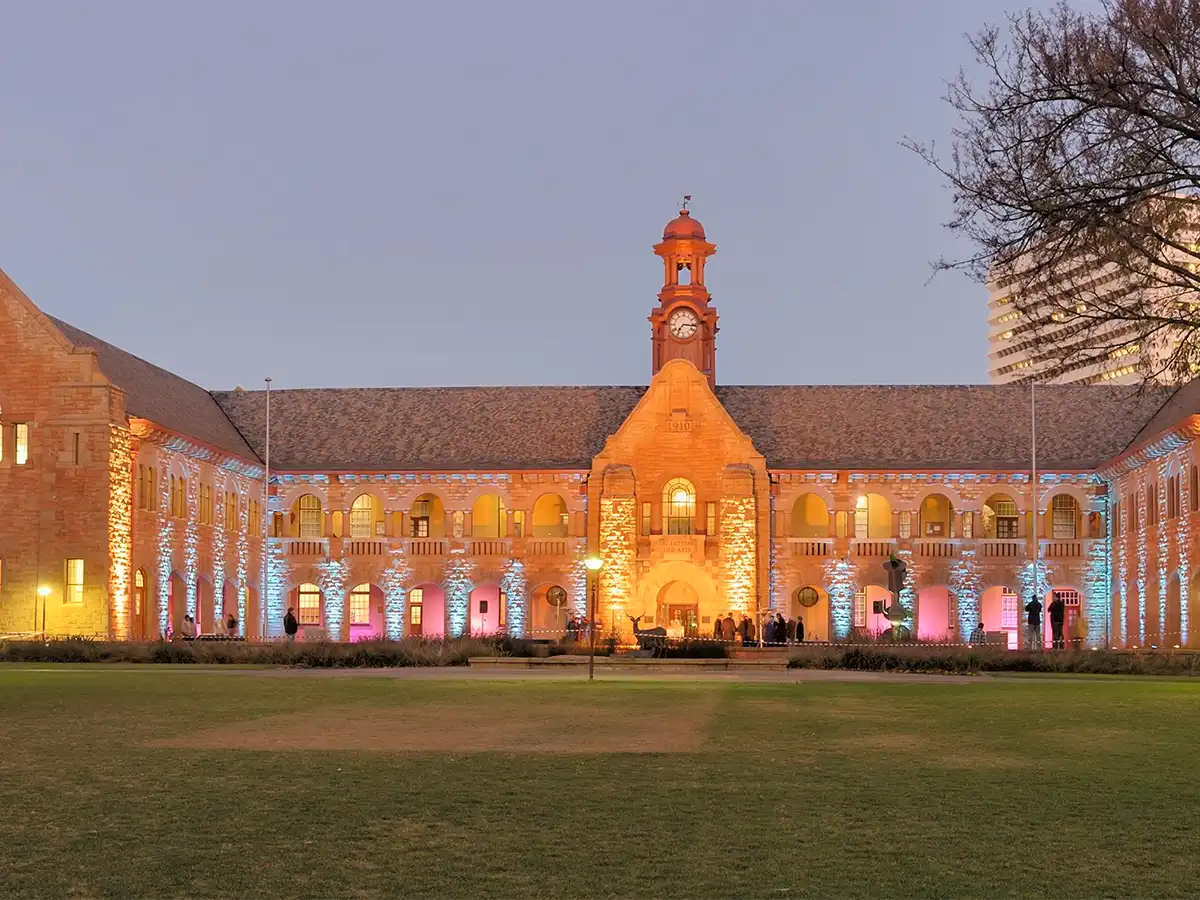
Pretoria, one of South Africa’s three capital cities, is a place where history, governance, culture, and modern urban life intersect. Located in the northern part of Gauteng Province, Pretoria serves as the administrative capital of South Africa and hosts the offices of the President, government departments, foreign embassies, and the Union Buildings. Often referred to as the “Jacaranda City” because of the thousands of purple-flowering jacaranda trees lining its streets, Pretoria is both politically significant and visually distinctive.
Although Johannesburg and Cape Town sometimes overshadow it internationally, Pretoria has a unique identity shaped by its historical importance, academic institutions, natural beauty, and growing economic role. Over the years, the city has transformed from a small settlement into a major metropolitan centre while preserving much of its architectural and cultural heritage.
Historical Background
Pretoria was founded in 1855 by Marthinus Pretorius, a leader of the Voortrekkers, and was named after his father, Andries Pretorius, a prominent Afrikaner leader known for his role in the Battle of Blood River. During the late nineteenth century, Pretoria became the capital of the South African Republic, also known as the Transvaal Republic.
The city played a key role during the Anglo-Boer Wars between the British Empire and the Boer republics. Pretoria eventually came under British control and later became the administrative capital of the Union of South Africa in 1910. Throughout the twentieth century, Pretoria was closely associated with the apartheid government, as many of the country’s laws and political decisions were administered from the city.
Following the end of apartheid in 1994, Pretoria became symbolic of South Africa’s transition to democracy. Nelson Mandela’s inauguration as the country’s first democratically elected president took place at the Union Buildings in Pretoria, marking a historic turning point in the nation’s history.
Geography and Climate
Pretoria lies approximately fifty-five kilometres north of Johannesburg and is situated in a warm, sheltered valley surrounded by the Magaliesberg mountain range. The city enjoys a subtropical climate characterised by hot, rainy summers and mild, dry winters. The pleasant weather contributes to its reputation as a comfortable place to live and work.
One of Pretoria’s most recognisable natural features is the jacaranda tree. During spring, typically in October and November, the city’s streets and suburbs are covered in vibrant purple blossoms. This seasonal transformation attracts tourists and photographers from around the country and beyond.
The city’s natural environment also includes nature reserves, botanical gardens, and wildlife areas. The Groenkloof Nature Reserve, one of the oldest game reserves in Africa, provides opportunities for hiking, cycling, and wildlife viewing within proximity to the urban centre.
Political Importance
Pretoria’s primary role in South Africa is administrative. The Union Buildings, designed by architect Sir Herbert Baker, are the seat of the South African government and one of the country’s most iconic landmarks. The complex houses the offices of the President and serves as a venue for important national ceremonies and public events.
As the administrative capital, Pretoria is home to many government departments, diplomatic missions, and international organisations. Embassies from countries around the world are in the city, reinforcing its status as a centre of diplomacy and international relations.
The presence of government institutions has also influenced the city’s economy and infrastructure. Many professionals working in law, politics, public administration, and diplomacy reside in Pretoria, contributing to its educated and diverse population.
Education and Research
Pretoria is widely recognised as a centre of higher education and scientific research. The University of Pretoria, founded in 1908, is one of Africa’s leading universities and is known for its strong programs in engineering, law, business, medicine, and veterinary science. The university attracts students from across South Africa and other African countries.
Another important institution is the Tshwane University of Technology, which focuses on vocational and technical education. Together, these universities contribute to innovation, research, and skills development in the region.
Pretoria also hosts several research councils and scientific institutions, including facilities focused on agriculture, medical research, and industrial technology. This concentration of knowledge institutions supports the city’s growing reputation as a hub for research and development.
Economy and Infrastructure
Pretoria’s economy is diverse and includes government services, education, manufacturing, information technology, and finance. The city has historically been associated with the defence and engineering industries, with several large industrial zones located nearby.
In recent years, Pretoria has experienced significant urban growth and modernisation. New shopping centres, office developments, and residential estates have expanded across the metropolitan area. The city forms part of the larger Tshwane Metropolitan Municipality, which includes surrounding towns and suburbs.
Transportation infrastructure has also improved over time. The Gautrain rapid rail system connects Pretoria to Johannesburg and OR Tambo International Airport, making travel between the two major cities more efficient. Major highways and bus networks further support mobility within the region.
Despite these developments, Pretoria faces challenges common to many growing cities, including traffic congestion, inequality, unemployment, and pressure on public services. Local authorities continue to work on urban planning initiatives aimed at improving housing, transportation, and economic opportunities.
Cultural Diversity
Pretoria reflects South Africa’s multicultural society. The city is home to people from a wide range of ethnic, linguistic, and cultural backgrounds. Languages commonly spoken include Afrikaans, English, Sepedi, Setswana, isiZulu, and others.
The city’s cultural landscape is shaped by its museums, theatres, galleries, and historical sites. Freedom Park, located on Salvokop Hill, commemorates those who lost their lives in South Africa’s conflicts and struggles for freedom. The Voortrekker Monument, another prominent landmark, honours the Voortrekkers and remains an important symbol of Afrikaner heritage.
Pretoria also has a lively arts and entertainment scene. Music festivals, cultural celebrations, and sporting events take place throughout the year. Rugby is particularly popular, with the city supporting one of South Africa’s strongest rugby teams, the Bulls.
Food culture in Pretoria is equally diverse, blending traditional South African cuisine with international influences. Restaurants and markets offer everything from local braai dishes to contemporary fusion cuisine.
Tourism and Attractions
Tourism in Pretoria is often linked to history, politics, and natural beauty. Visitors frequently explore the Union Buildings, where panoramic views of the city can be enjoyed from the surrounding gardens. The nearby statue of Nelson Mandela has become a popular attraction and symbol of national unity.
The National Zoological Garden of South Africa, commonly known as the Pretoria Zoo, is one of the largest zoos in the country and attracts families and tourists alike. Other notable attractions include the Pretoria National Botanical Garden, Church Square, and the Sammy Marks Museum.
For those interested in history, Pretoria offers insight into both colonial and democratic South Africa. Museums and heritage sites provide perspectives on the country’s complex past and evolving identity.
The city also serves as a gateway to nearby game reserves and tourist destinations. Many travellers use Pretoria as a starting point for safaris and excursions into the broader Gauteng and Limpopo regions.
Challenges and Future Prospects
Like many South African cities, Pretoria faces social and economic challenges. Inequality remains visible, with affluent suburbs existing alongside underdeveloped communities. Access to quality education, healthcare, and employment opportunities varies significantly across different areas.
Infrastructure maintenance, energy supply issues, and urban management continue to require attention. However, the city also possesses strong advantages, including educational institutions, government investment, and strategic connectivity.
Pretoria’s future will depend on its ability to balance growth with sustainability and inclusion. Urban renewal projects, investment in public transport, and support for innovation could help shape a more equitable and dynamic metropolitan environment.
Pretoria is far more than a government city. It is a place rich in history, culture, and intellectual activity, with a character distinct from any other South African urban centre. From the purple jacaranda-lined streets to the imposing Union Buildings, Pretoria reflects both the complexities of South Africa’s past and the possibilities of its future.
As the administrative heart of the nation, Pretoria continues to play a vital role in shaping South Africa’s political and economic direction. At the same time, its universities, cultural institutions, and natural attractions make it an important destination for students, tourists, and residents alike. With ongoing development and social transformation, Pretoria remains a city of significance, resilience, and evolving identity in modern South Africa.

Previous Article




Get latest magazine sent to you.